
What can we learn from accessible vision care, clever advertising, and acts of social goodness?

Have you ever been to one of the glasses stores at the mall?
Did you try on approximately one hundred frames to see how they would look on you, even if you don’t actually wear glasses?
I have. Except I do…should…wear glasses…
But that’s beside the point!
Conveniently, my local mall has a Warby Parker storefront! But they did not succeeded in the glasses industry because of a physical store.
They succeeded because of the unique ways in which they have utilized the internet, specifically social media.
For example: you don’t have to go into the store to play with their frames. Nay! Instead, you can use Warby Parker’s website to order Home Try-On frames and the frames come to you?! What?!
That simple feature by itself makes their glasses more accessible and therefore a more tempting product.
But Home Try-On isn’t the only thing they’ve got up their sleeve.

Warby Parker has used social media to their benefit to promote the usefulness and accessibility of their product. Using social media, Warby Parker engages with their customers by:
- Asking them to share photos of themselves wearing their Warby Parker glasses
- Sharing official tips for wearing glasses
- Promoting its own efforts toward social goodness as a business, particularly through their collab with VisionSpring to provide glasses to those in need based on purchases from Warby Parker customers
So what can we learn from all this?
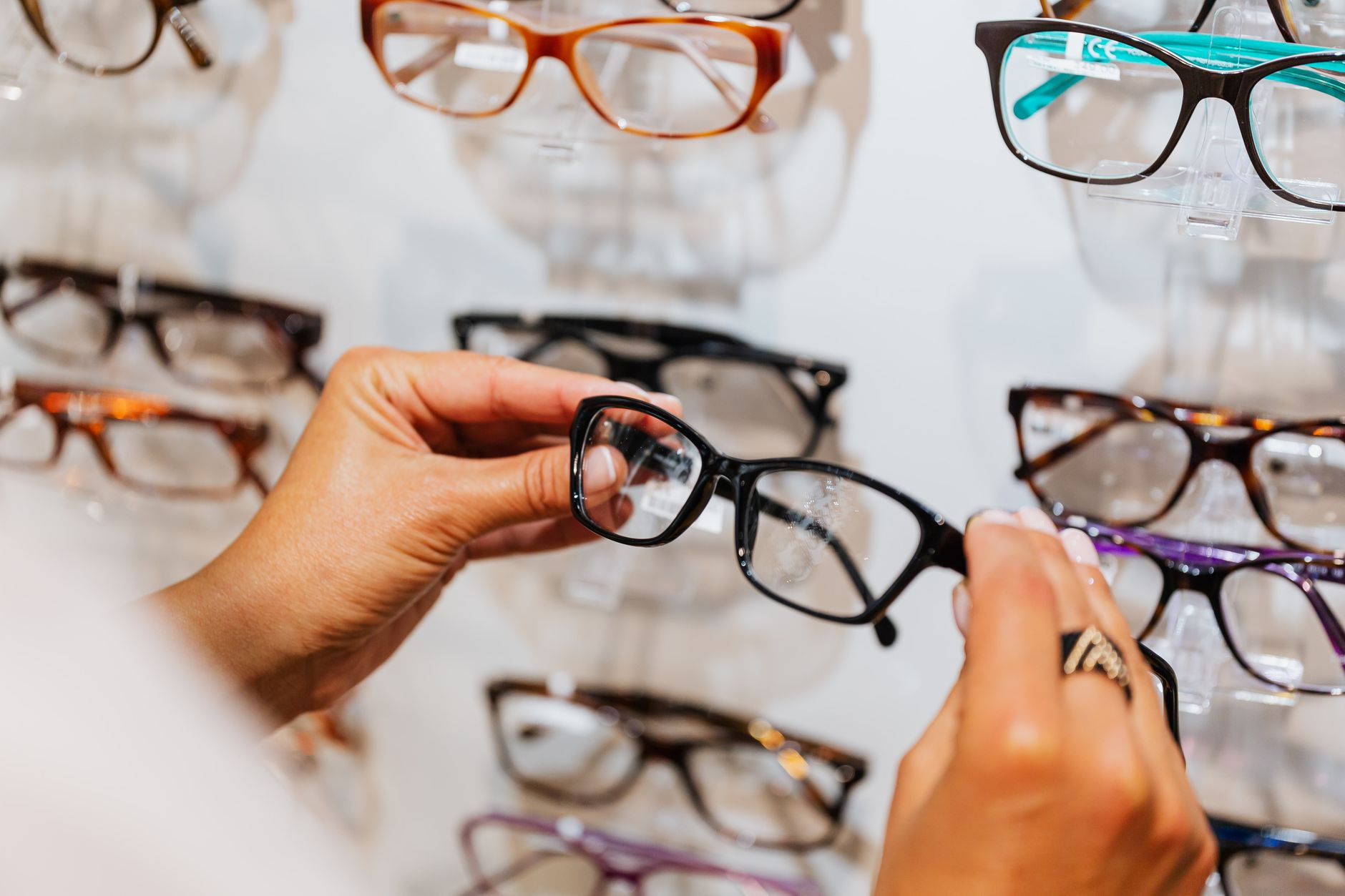
If nothing else, we can see the great impact a company can have by interacting with customers (and potential customers!) via social media and the internet at-large.
When customers are asked to share their own content with brands, there exists mutual participation, fostering a sense of community among consumers.
When brands bring goodness to the world by helping those in need, customers often empathize and feel a sense of brand loyalty.
However, many of us reject brands when they begin using targeted content and performative social programs to benefit their bottom line (*raises hand*).
So here’s my question:
Should we appreciate the effects of these programs for what they do at a basic level, like donating glasses to underserved individuals whom otherwise would not have had access to glasses?
Should companies like Warby Parker run these kinds of programs totally independent of the consumer — AKA: without using incentives like 1:1 donations based on their purchases?
Does it make sense for companies to ensure they garner sufficient profits while providing a life-changing service to society?
Does the 1:1 donation put pressure on the consumer to either buy the glasses or feel guilty for not being part of helping others access necessary resources?
I’m interested to hear your thoughts on this!
xo, emily


Leave a comment