
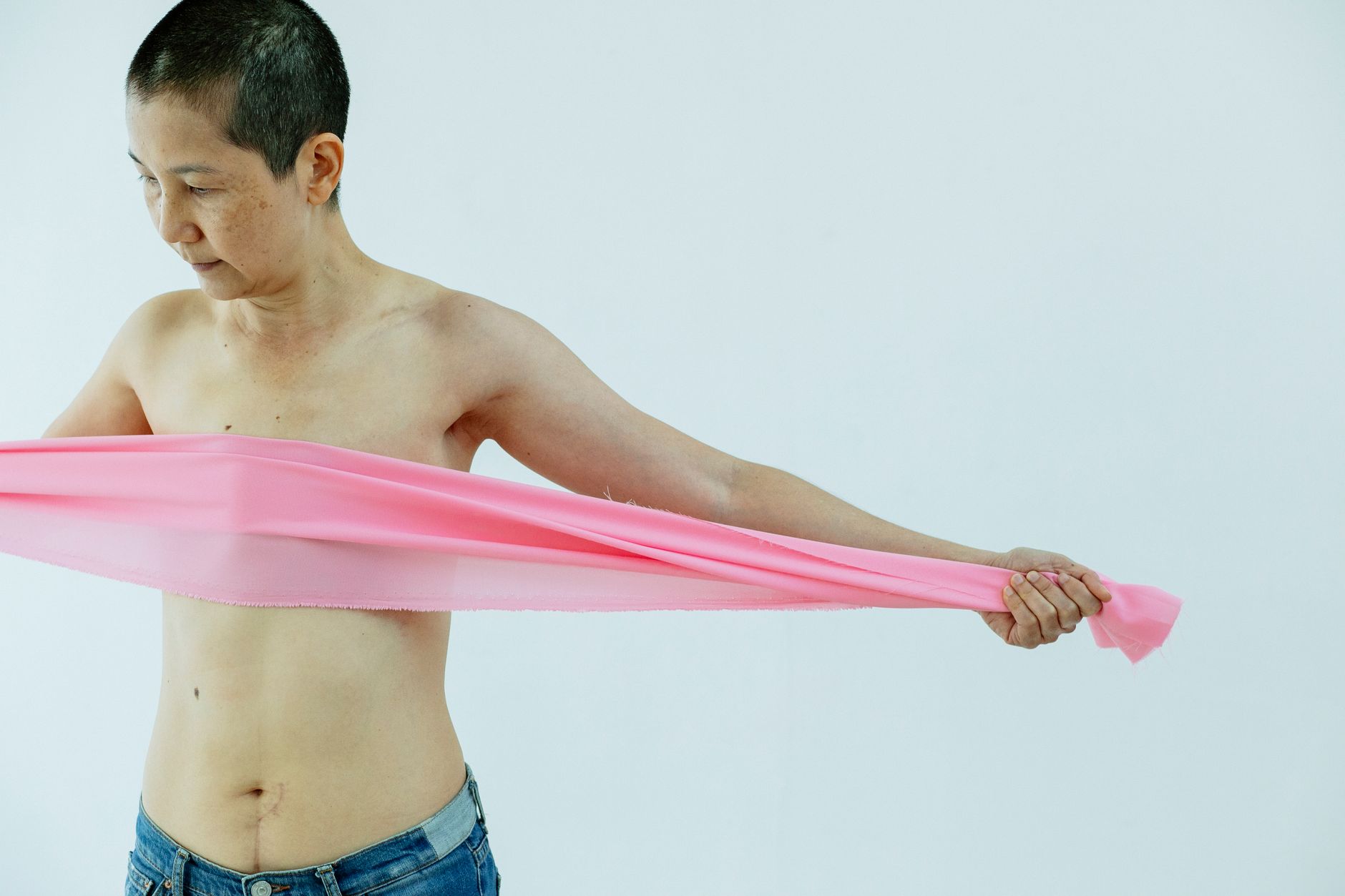
An objective truth: social media is a place where cyberactivism, the act of posting for awareness toward a cause, takes place.
What is more ambiguous, however, is whether or not such activism is potent or effective enough to make a substantial impression on society.
Take the Breast Cancer memes of the 2010s for example. These FaceBook memes urged women to spread awareness by posting vague statuses including their name and bra color, confusing men and garnering female attention for the cause.
The whole thing seems innocent enough. People often feel incentivized to contribute to a cause when they have the opportunity to participate or contribute in some way.
But what does cyberactivism without real-life execution truly achieve in the long run?
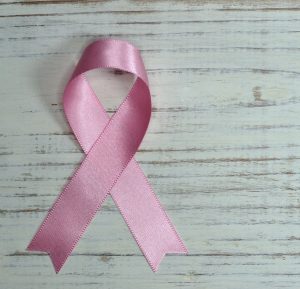
One of the largest concerns here is lack of mobilization.
AKA: lack of people taking real-life action after engaging in cyberactivism.
How many meme-sharers are actually going out into the world and making a difference through volunteering, donations, or charity work? And since these memes are targeted towards women and meant to be kept secret from men, they inherently disregard the truth that men can also be diagnosed with breast cancer, which is entirely counterproductive.
The meme also veers into sexualization of the breast cancer cause, which is an unfortunate deviation from the original intent (awareness and an increase of tangible support) (Mahoney & Tang, 2016).
I’m only one person, of course, but I think there are better ways than only cyberactivism to help the breast cancer cause.
My mom survived stage III breast cancer when I was a little girl and we did so many things to help raise money and assist research: walk-a-thons, family day, and more. They felt fulfilling and they made a real, tangible difference.
What I’m saying is: there are easy, non-performative ways to raise awareness and volunteer support for breast cancer research, but it takes effort and courage to participate in them, whereas a quick and easy social media post is…
…well, quick and easy.
Cyberactivism is more accessible because it does not require people to get up and get moving. People can be prosocial from the comfort of their homes and expect other people, more engaged people, to actually get out into the world and make a difference with their own hands.
So how do we get the cyberactivists to practice activism in the real world?
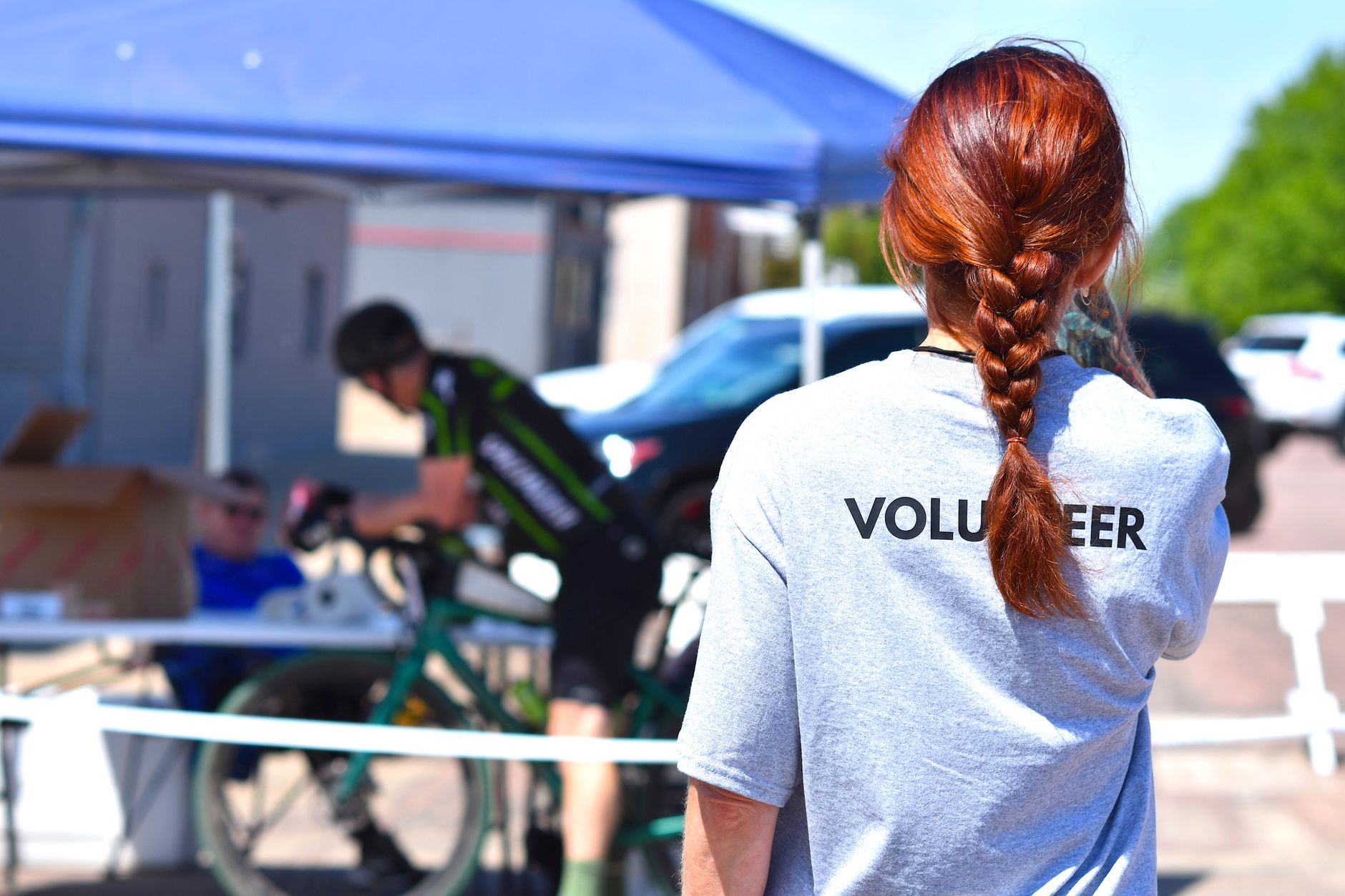
Incentives, such as merch, can convince people to show up for charities or fundraisers. A cancer center inviting volunteers to assist patients every so often is also a way to get people involved outside of social media (Mahoney & Tang, 2016).
In sum, it is not that spreading awareness on social media is an inherently bad thing — but it is important to do the thing right. When we spread awareness for a cause, it should be clear what that cause is, otherwise it may be lost on some people or disregarded because it is not discussed with the gravity it commands.
Perhaps if we share a meme like the breast cancer memes of 2010, it would be wise to take real-life action outside of the meme in order to ensure the success of the cause through direct action.
What do you think about the breast cancer memes? Do you think they’re enough to raise awareness and trigger change?
xo, emily
Mahoney, L. M., & Tang, T. (2016). Strategic Social Media. John Wiley & Sons.


Leave a Reply